
- Service
MOVING IN AND INSTALLING TRANSFORMERS
Three to 52 tonnes on a few square metres: we move transformers into data centers, substations and industrial buildings – by skidding track, machine skates or crane – set them, align them and hand them over ready for connection. And we get them out again, even from the basement.
- What it is about
A TRANSFORMER RARELY FITS THROUGH THE DOOR IT IS MEANT TO GO THROUGH
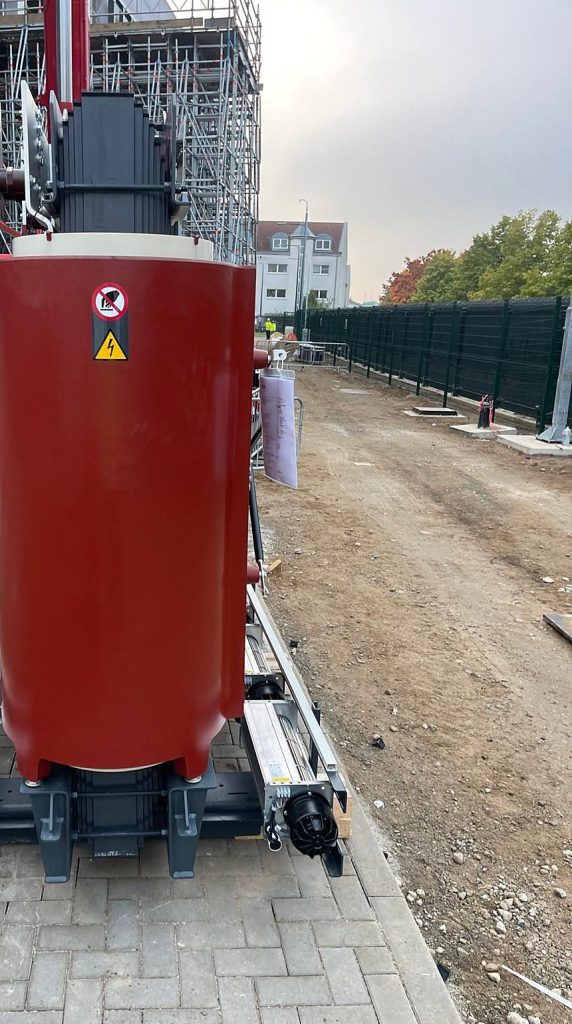
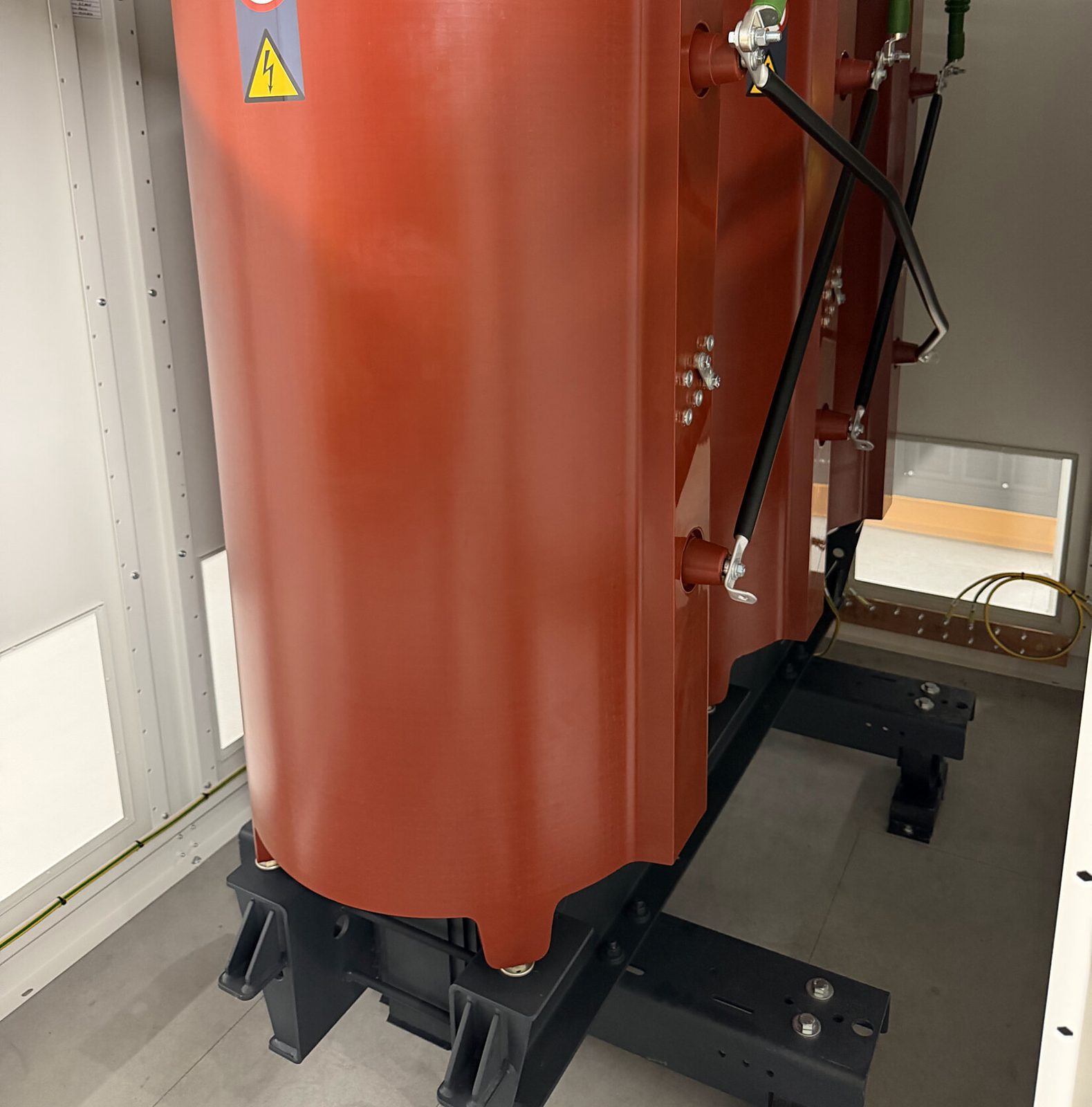
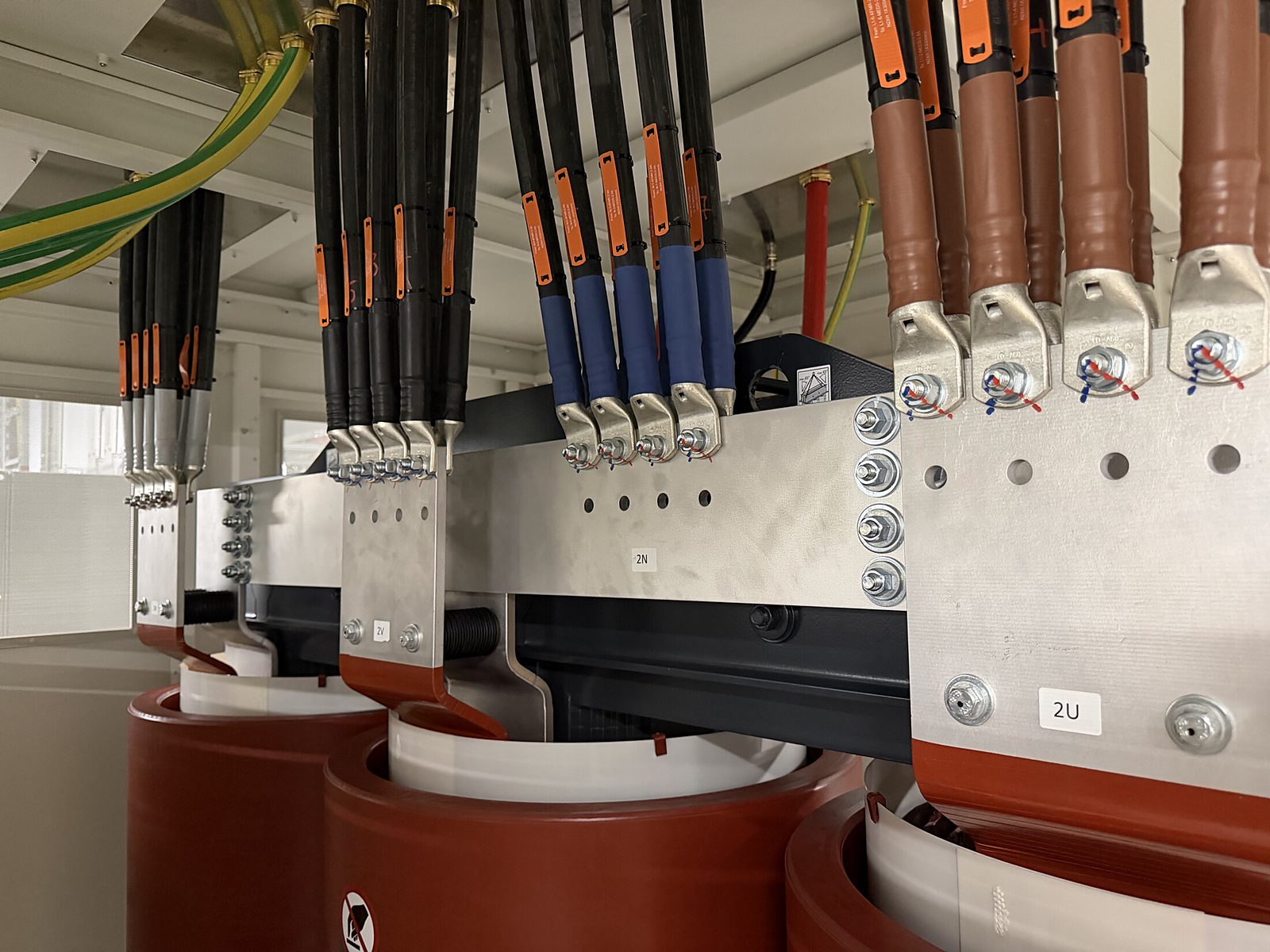
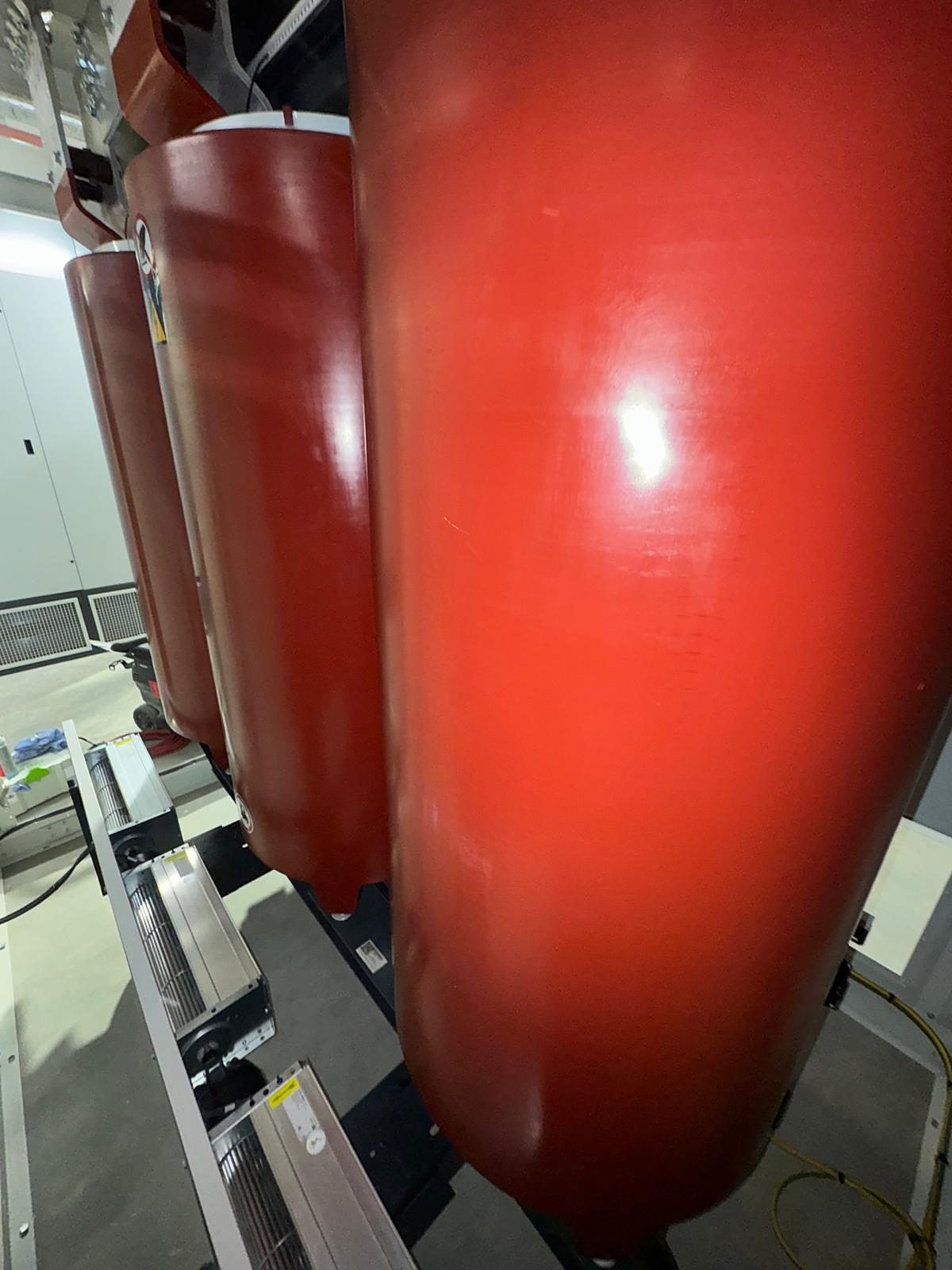
Transformers for data centers and industry – from the 750 kVA cast-resin transformer weighing three tonnes to the 52-tonne transformer on railway rails – end up in a transformer cell built precisely for them, with a few centimetres of clearance to the wall. The route there leads through access openings, over shafts, through plant corridors and into basements. Exactly this route is our work: moving transformers in, skidding, setting, aligning, anchoring and handing them over for electrical connection.
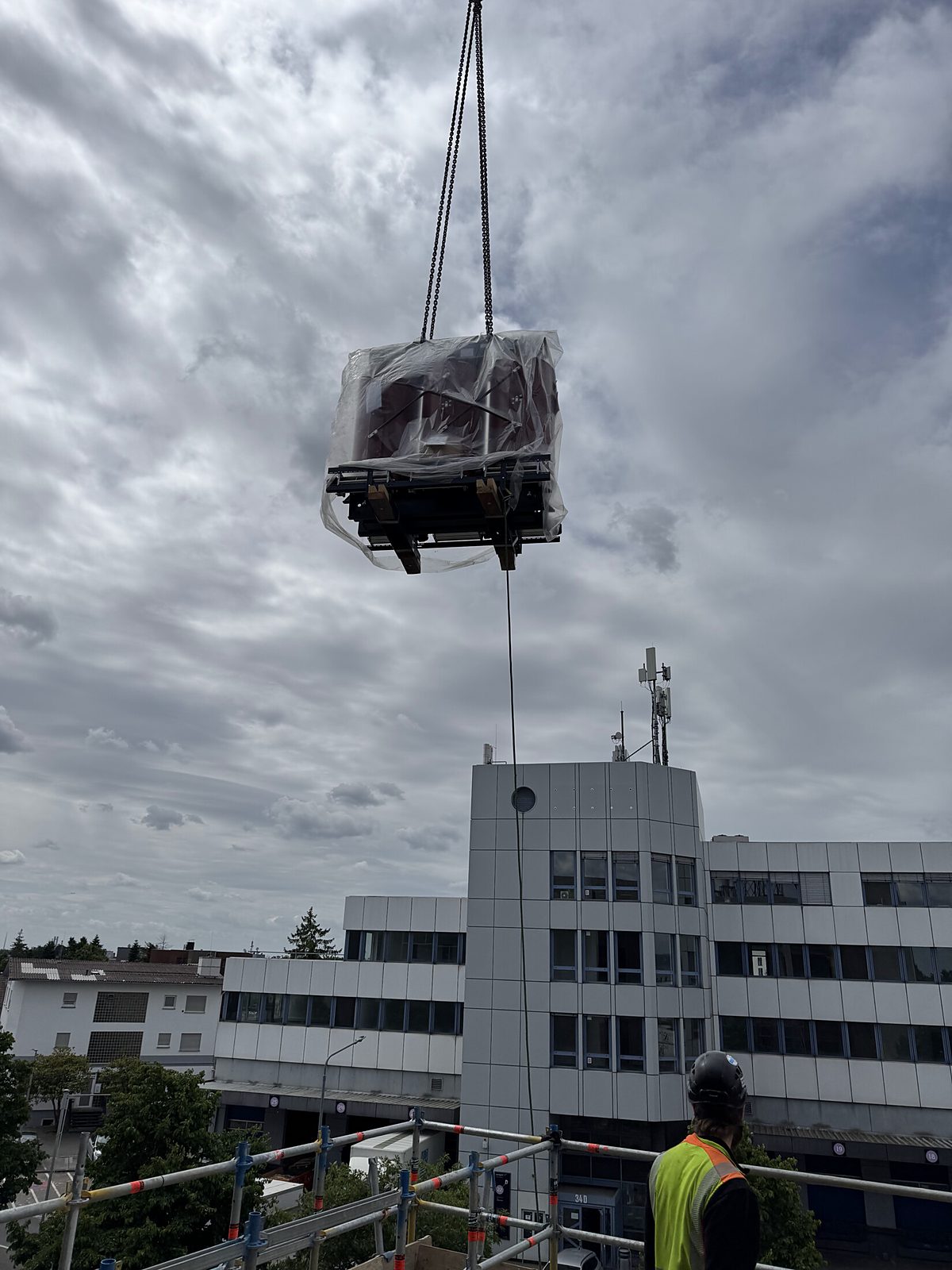
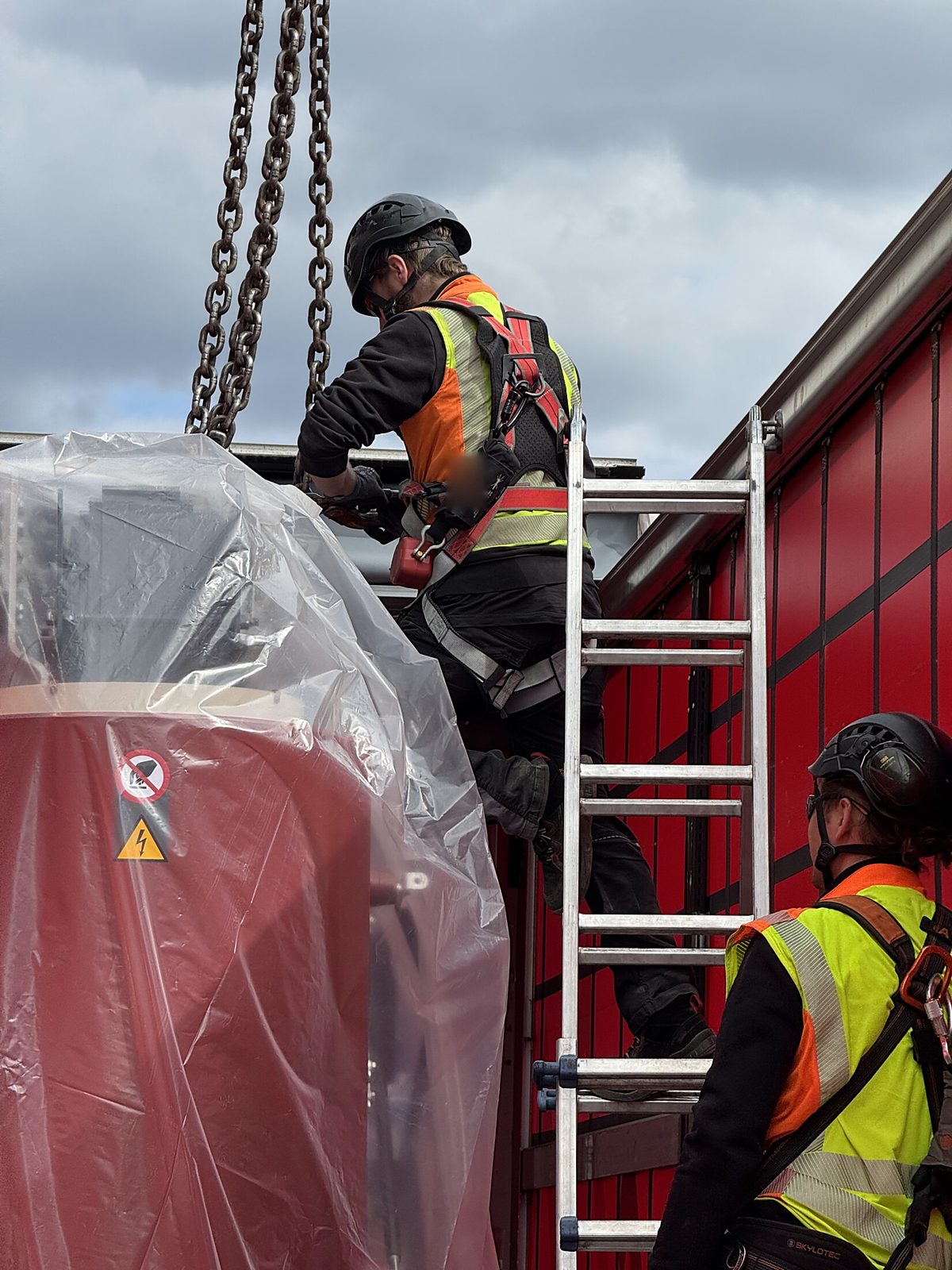
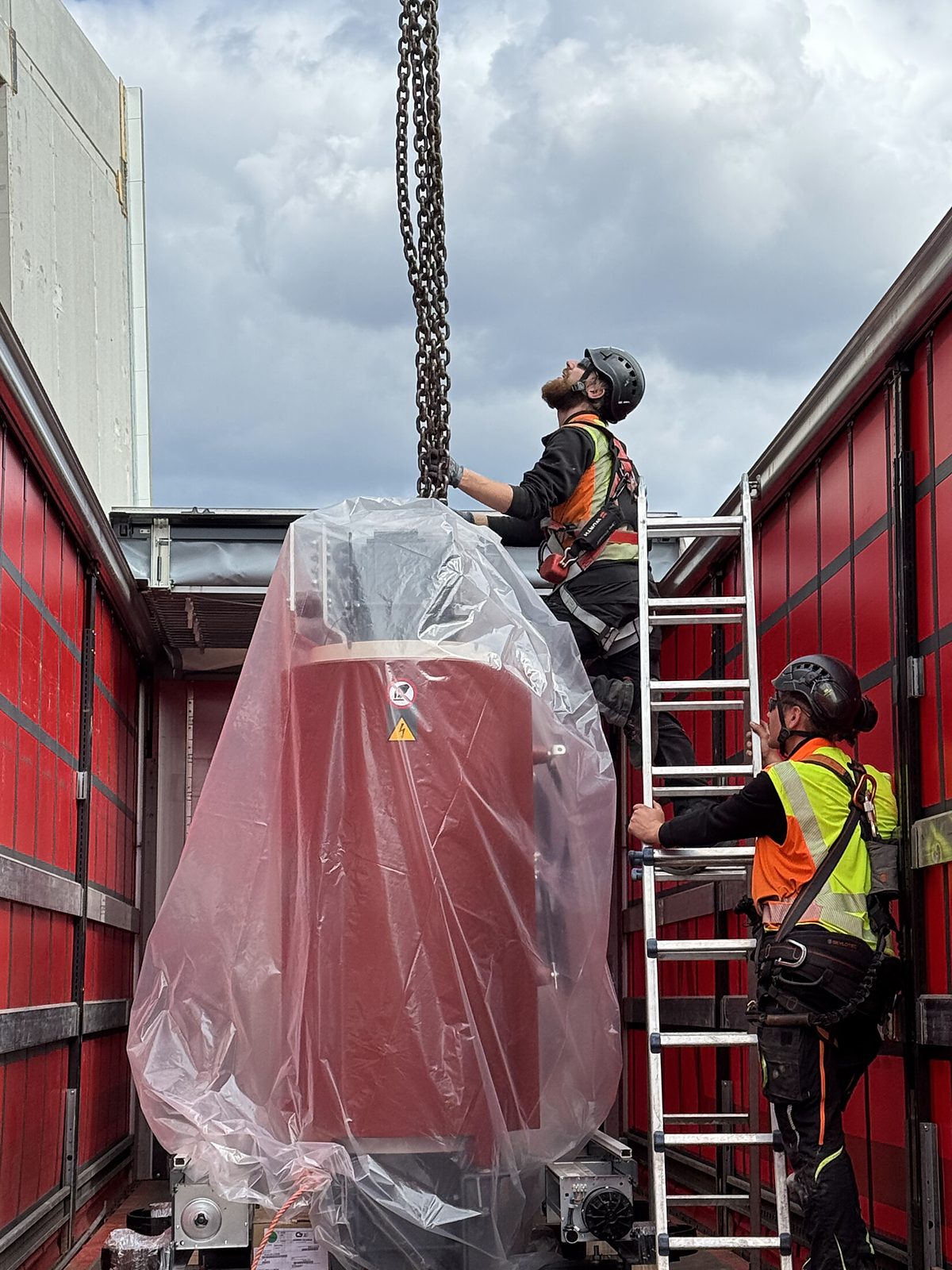
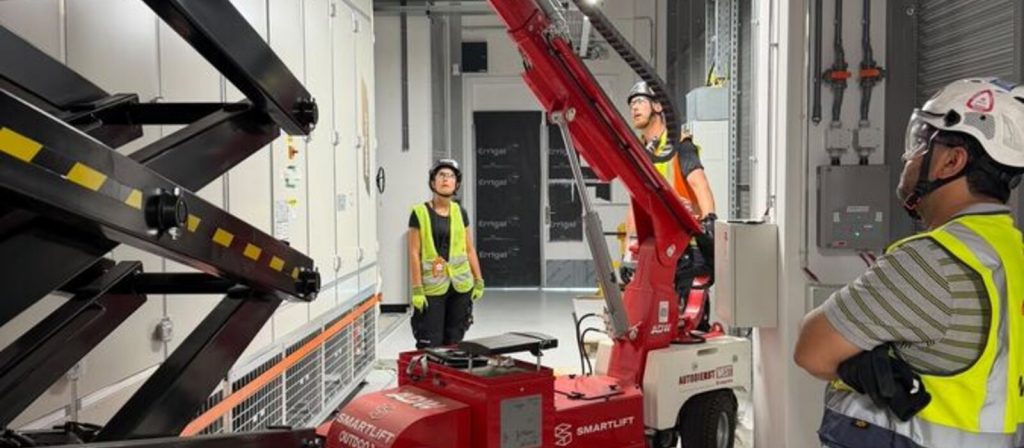
We work with skidding tracks, machine skates, hydraulic jacks, mini cranes and mobile cranes – depending on whether the transformer arrives on a low-loader, is standing in the yard or has to come out of the basement. Every lift is calculated in advance as a lift plan and released by our own lifting contact; on data center sites according to the general contractor's RAMS and permit. Most recently we moved two transformers of around 52 tonnes each in one day from the heavy-duty low-loader via the skidding track into their cells – over 100 tonnes in total, with two mechanics and one lifting supervisor.
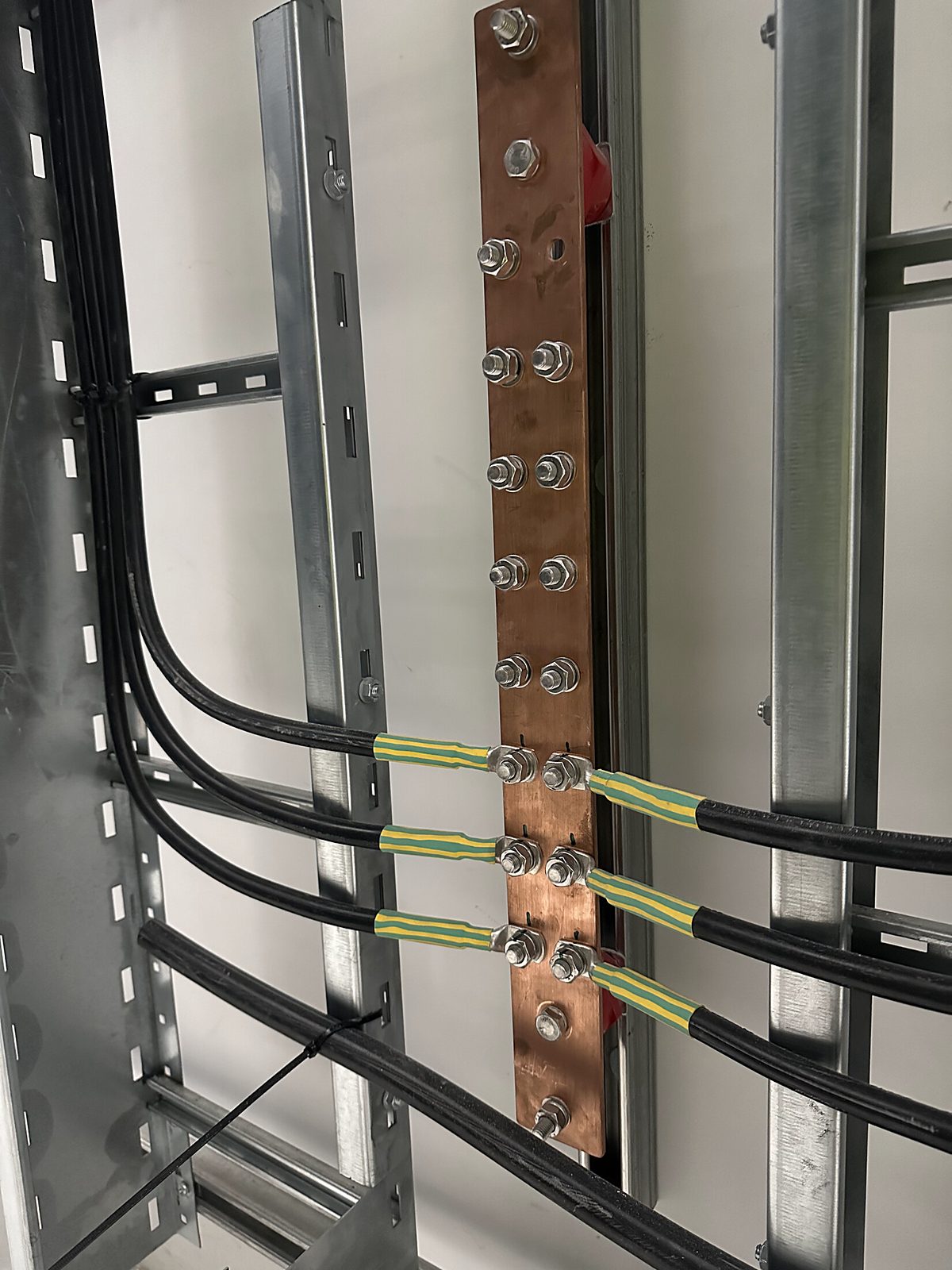
Unsere Rolle ist die mechanische: Einbringung, Aufstellung, Ausrichtung, Verankerung und Anbau von Lüftern, Gehäusen und Zubehör. Anschluss, Prüfung und Inbetriebnahme übernehmen wir mit eigener Elektrofachkraft – Mechanik und Elektrik aus einer Hand, einschließlich Lasttest und Übergabe.
- Why us
FOUR REASONS WHY PLANNERS AND GENERAL CONTRACTORS CALL US IN
Moving in to finished buildings
Skidding track and machine skates
Removal from the basement
Lifting operations under our own responsibility
- Services
WHAT WE TAKE ON WITH TRANSFORMERS
Unloading and interim transport
Moving in
Setting, aligning, anchoring
Attachments and accessories
Handover to commissioning
Removal and transformer replacement
- maintenance strategy
THREE SITUATIONS, THREE ROUTES INTO THE CELL
Shell open, crane reaches the cell
Building finished, cell occupied
System out of service, route to the outside
- Process
HOW A TRANSFORMER MOVE-IN RUNS WITH US
- From the job diary
JOBS WITH TRANSFORMERS AND HEAVY LOADS
 SKIDDING TRACK · DATA CENTER FRANKFURT
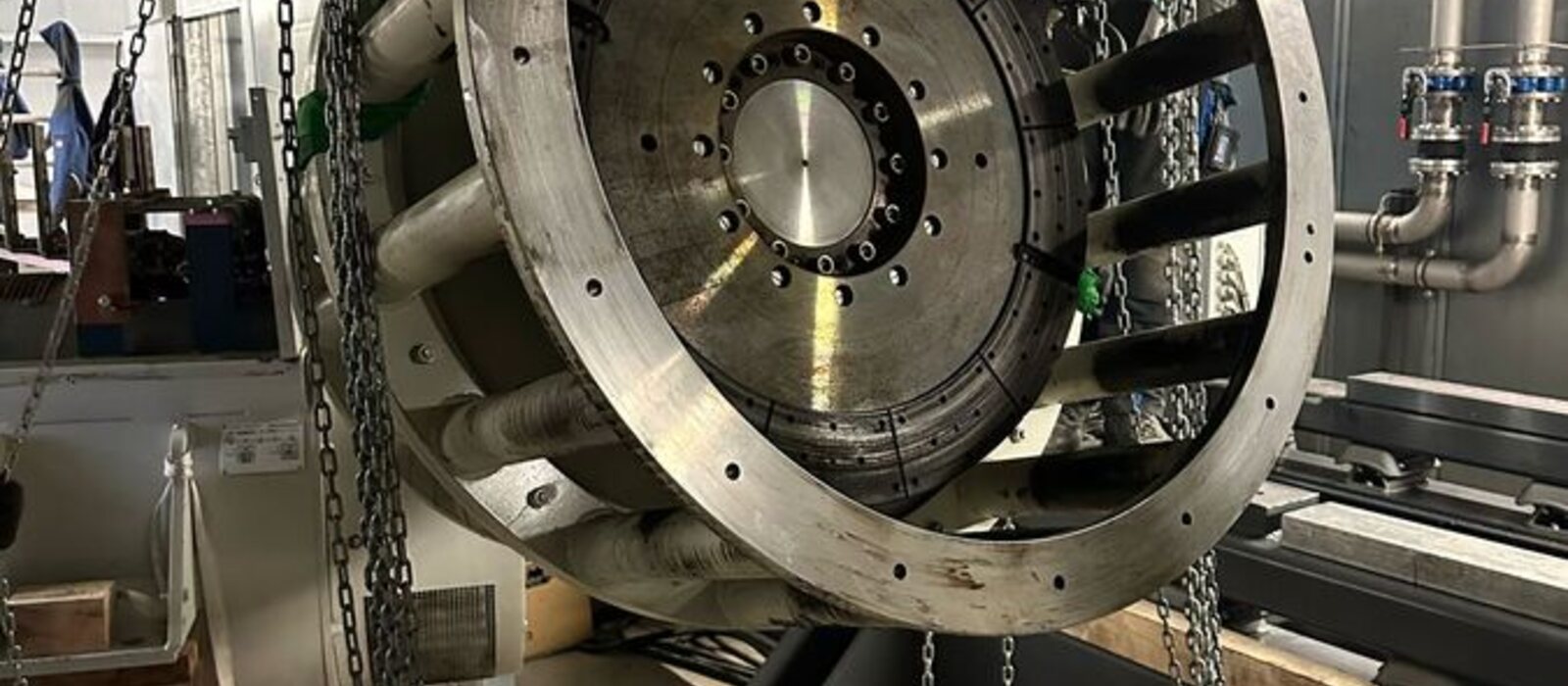
Two 52-tonne transformers moved in via the skidding track
Two transformers of around 52 tonnes each moved in one day from the heavy-duty low-loader via the skidding track into the transformer cells of a data center, aligned and set – lifting and skidding from a single source.
Read the project
 MOVING IN · EMERGENCY GENERATORS
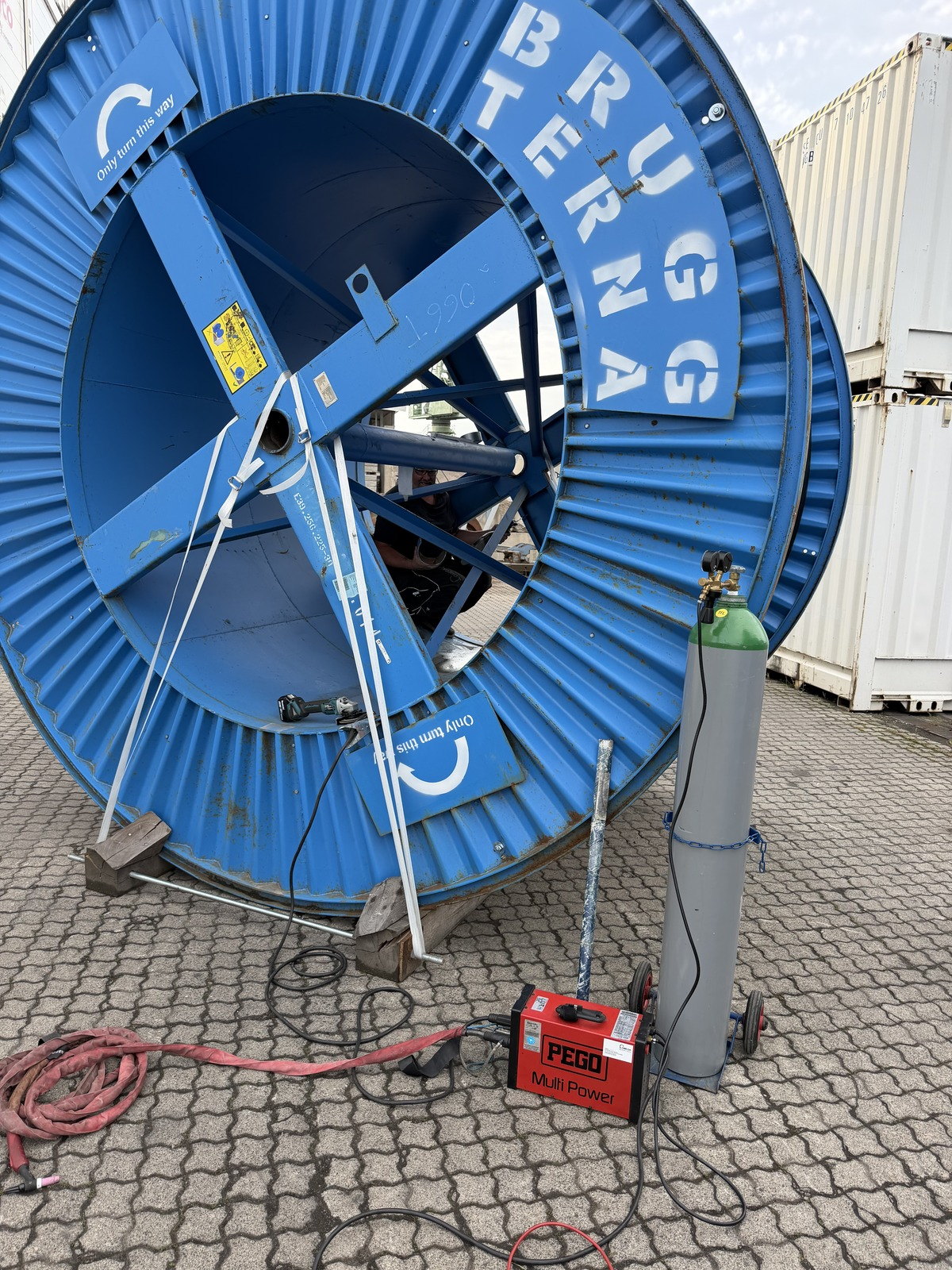
Generator sets brought into the plant room
Emergency generators with exhaust line and fuel system moved into a data center – the same lifting equipment, the same routes, the same rules.
Read the project
 POWER DISTRIBUTION · RHINE-MAIN
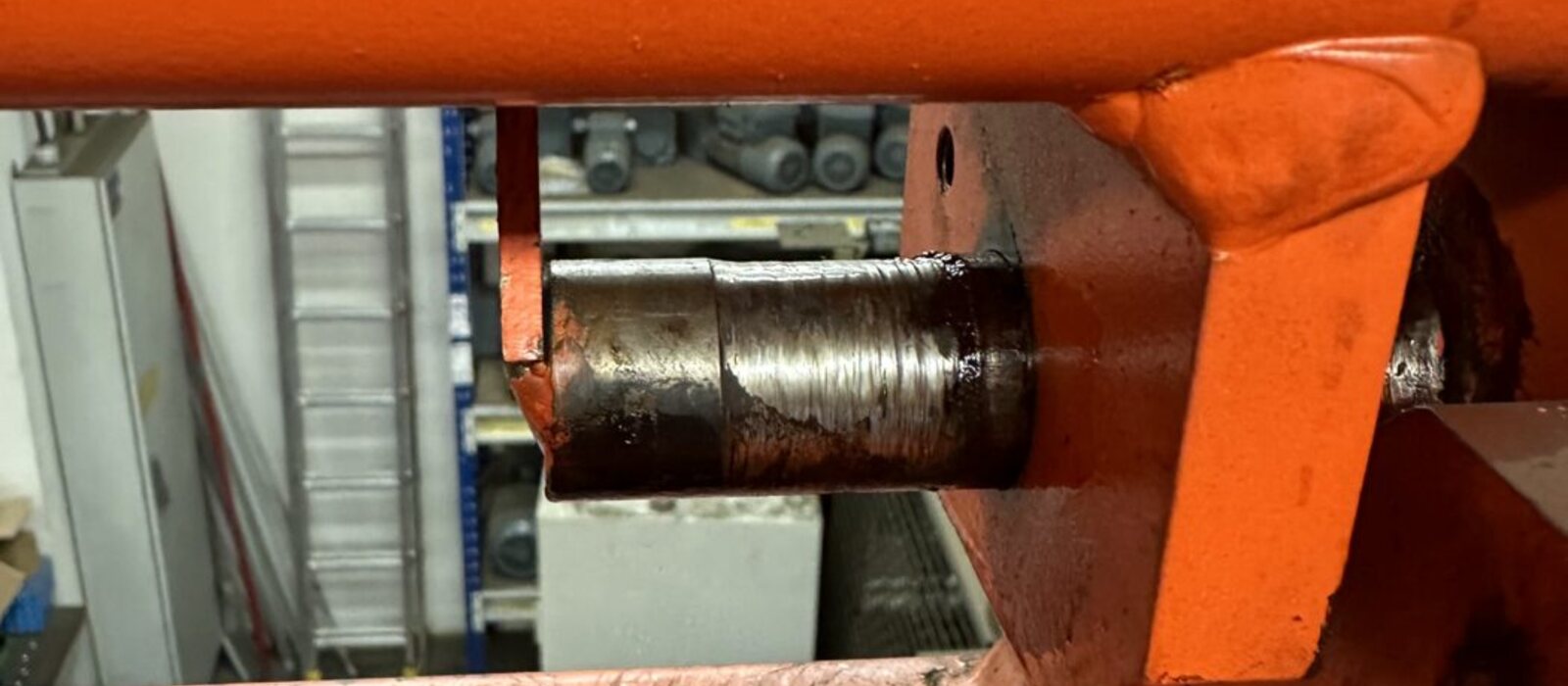
160 PDCs installed and aligned
Power distribution units moved into the data halls in series, set and handed over for connection – heavy loads in live data center construction.
Read the project
- Pictures from the job
MOVING IN TRANSFORMERS – IN PICTURES




- Frequently asked questions
MOVING IN TRANSFORMERS: STRAIGHT ANSWERS
How do you get a transformer into a finished building?
By the route that exists: access opening, plant corridor, shaft or door. On the floor we move with a skidding track or machine skates, vertically we lift with a mobile crane, mini crane or hydraulic jacks. Beforehand we measure routes, load-bearing capacities and slewing radii and calculate the lift plan – only then does the low-loader come.
Do you also handle the electrical connection and commissioning?
Ja. Wir bringen ein, setzen, richten aus, verankern und montieren Anbauteile – und übernehmen Anschluss, Prüfung und Inbetriebnahme mit eigener Elektrofachkraft. Auf Rechenzentrumsbaustellen begleiten wir Anschluss und Lasttest bis zum Green Tag.
Which transformers do you move in?
Most recently cast-resin transformers for data centers with 750 to 2,500 kVA, 20 kV to 415 V and three to seven tonnes in weight, including 415/415 V isolating transformers, as well as two transformers of around 52 tonnes each via the skidding track – plus oil transformers for substations, industrial plants and utilities. The decisive factors are weight, centre of gravity and dimensions; we select the lifting equipment accordingly.
Can you get an old transformer out of the basement?
Yes. In a transformer replacement or dismantling we remove attachments, pull the transformer out of the cell, move it out via shaft, opening or stairwell and prepare it for removal – in the same window in which the new one comes in.
What is a skidding track and when do I need one?
A skidding track is a hydraulic rail system: the transformer is set from the low-loader directly onto the track and pushed with hydraulic cylinders piece by piece into the cell – without a crane at the building. It needs no headroom, carries 52 tonnes and closes the gap between the low-loader and the building rail in the transformer cell. It is the right route when no crane can reach the cell, the floor has to be protected or several transformers go one after another into a row of cells. The real work is supporting and levelling the track: a 52-tonne load that runs crooked into a room can no longer be straightened.
Do you work during ongoing operations?
Yes, when a second feed carries the load. Transformer replacement and moving in at a live data center are our everyday work: with permit, exclusion zones, shutdown window at night or at the weekend and documentation in German and English.
- Further services
WHAT ELSE WE TAKE ON
Installing and converting plant
Heavy loads into finished buildings
What cannot be bought
Dismantling and clearance
Dismantle, relocate, restart
Nine industries at a glance
Dedicated division, DE & EN
- All locations
MOVING IN TRANSFORMERS – IN YOUR TOWN
Your location is not listed? From Rodgau we can reach any data center in the Rhine-Main region in around an hour, across Germany by arrangement – an overview can be found under Industries. For the maintenance of standby power systems and emergency generators there is a dedicated page: maintenance of standby power systems.
TELL US ABOUT YOUR TRANSFORMER
100% free of charge and without obligation · Omega Mounting GmbH, Rodgau near Frankfurt
 English
 German