
- Guide – Health & Safety
Working in hazardous areas: permit, tools and sequence for contractors
By Tobias Schott · 21-minute read · Updated October 2026
Work in a hazardous area does not start with the tools but with the operator's permit. The operator decides where an explosive atmosphere can occur, makes the work location safe, carries out gas testing and authorises the work. The contractor brings no ignition source, works under supervision and hands the area back properly at the end.
Many companies have areas where gases, vapours, mists or dusts can combine with air to form an ignitable mixture. In normal operation this is under control: the plant is tight, the equipment is suitable, the rules are known. Maintenance disturbs this order. Lines are opened, vessels emptied, and tools and outside people come into the area.
This guide explains what a hazardous area is and where you find one in everyday operations. It shows who decides what, what has to happen before the work, when work is stopped and how it is handed back. And it says what the operator and the contractor each have to prepare.
We are an installation and maintenance contractor from Rodgau near Frankfurt. How contractors are admitted to an industrial or chemical park and which permits exist there is covered in our guide on installation in an industrial park. This guide is about the individual job in a hazardous area – from the enquiry to the handback.
Key points at a glance
- A hazardous area is an area in which an explosive atmosphere of gases, vapours, mists or dusts can occur.
- Whether and where this is the case is assessed by the operator. The operator classifies the areas into zones and records this in the explosion protection document.
- Before the work come instruction, a permit to work, a safe state of the plant and usually gas testing.
- The contractor avoids ignition sources: no unsuitable equipment, no sparks, no hot work without a separate permit.
- The work is monitored throughout. If the gas detector alarms or conditions change, work stops immediately.
- At the end the area is handed back. Only the supervisor cancels the permit.
- Electrical work in hazardous areas is for qualified electricians with Ex qualification.
What is a hazardous area?
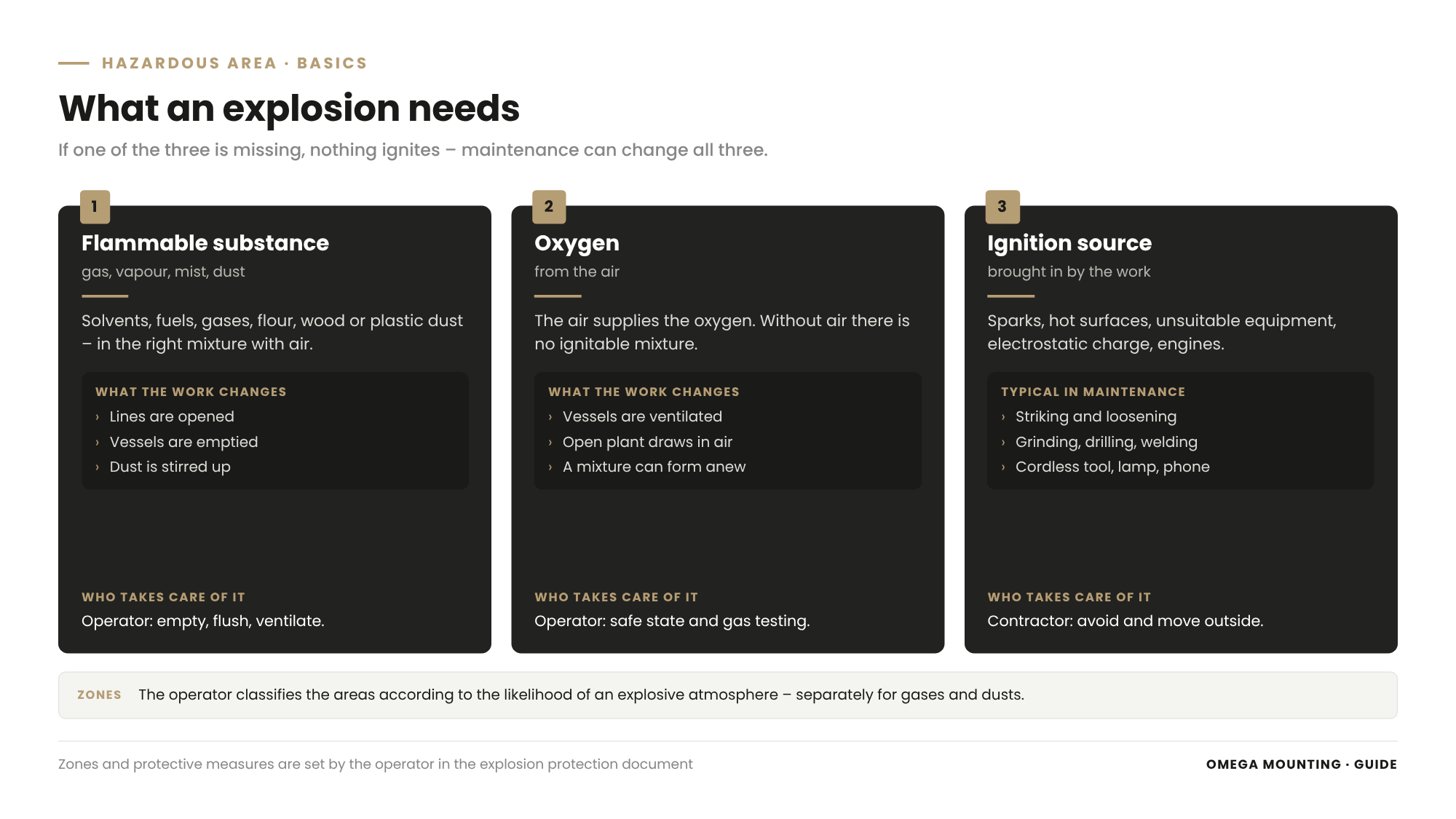
A hazardous area, also called an explosion-hazardous or Ex area, is a place where flammable gases, vapours, mists or dusts can mix with air so that an ignition source triggers an explosion. The operator assesses where and how often this can occur and sets the protective measures.
Three things must come together
An explosion needs a flammable substance in the right mixture with air, the oxygen in the air and an effective ignition source. If one of these is missing, nothing ignites. In normal operation the operator ensures that substance and air are under control. Work in a hazardous area brings in the third element: tools, equipment and activities can be ignition sources.
Gases, vapours, mists
Flammable gases and the vapours of solvents, fuels or cleaners can collect in rooms, pits, shafts and vessels. Some are heavier than air and stay at floor level. Fine droplets, for example from spraying, form mists that can also ignite.
Dusts
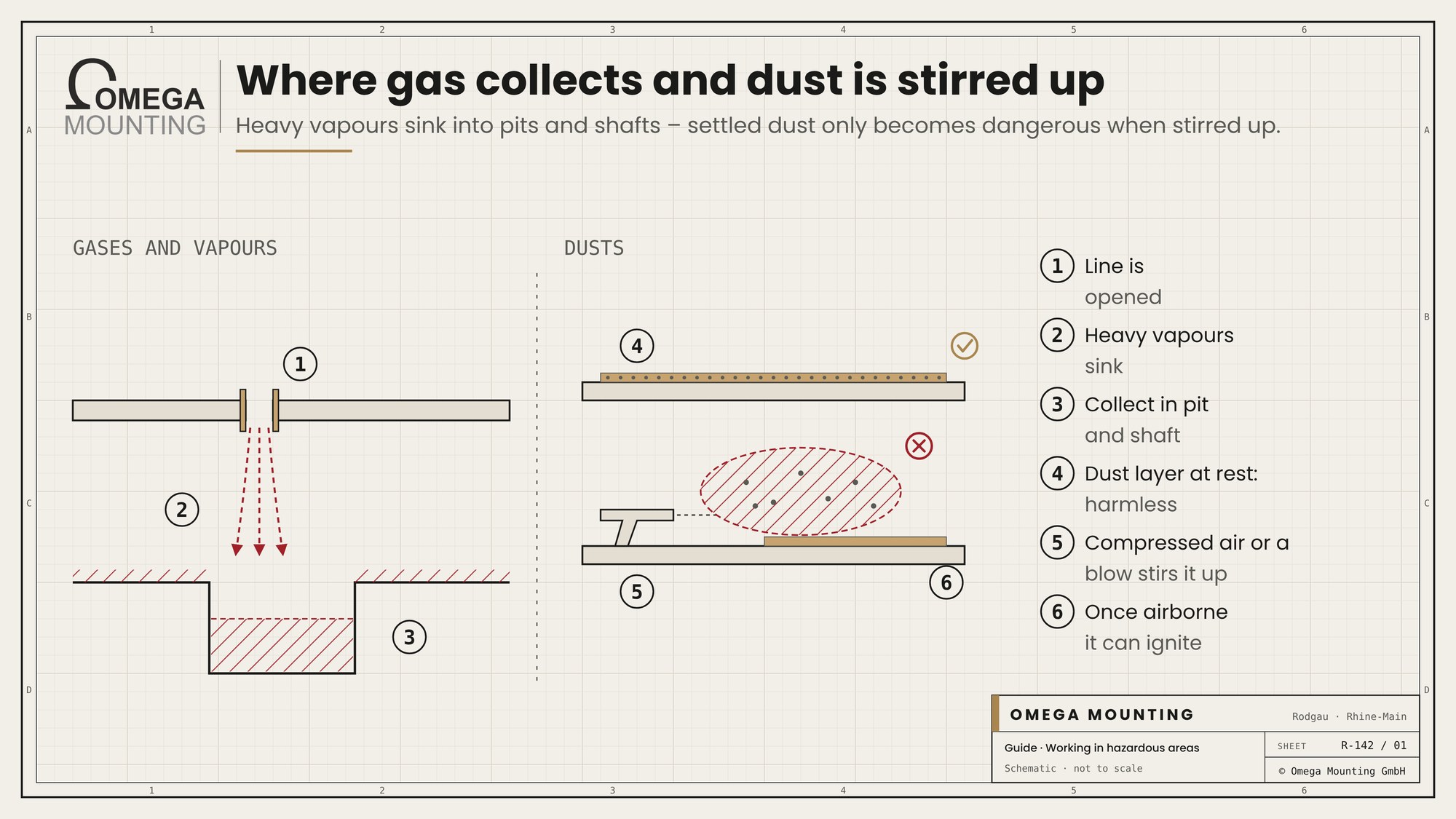
Dusts can explode too: flour, sugar, wood, plastics, metals. The danger is dust that has been stirred up. A layer of dust on a beam is harmless as long as it lies there. A blow, a gust of air or compressed air can stir it up. That is why settled dust is not blown away or swept but removed as specified by the company.
Zones are set by the operator
The operator classifies hazardous areas into zones according to the likelihood of an explosive atmosphere – separately for gases and dusts. This determines which equipment is permitted there and which work may only be done with a permit. The classification is in the explosion protection document, which the employer draws up under the German Hazardous Substances Ordinance (GefStoffV). For the contractor this means: ask for the zone plan, but do not assess it yourself.
How to recognise a hazardous area
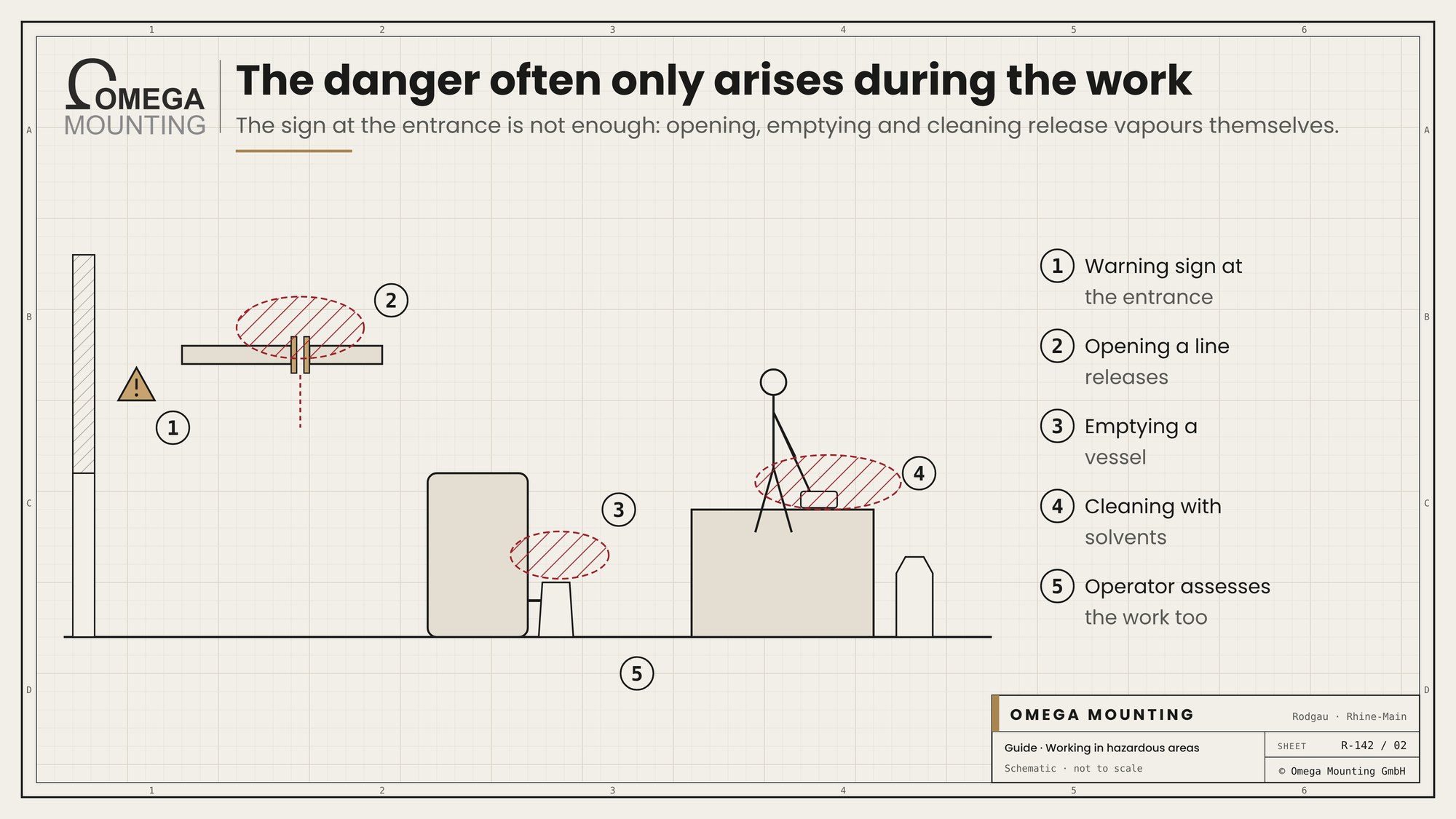
Many hazardous areas are marked with a warning sign at the entrances. You cannot rely on that. In maintenance, explosive atmospheres often only arise through the work itself: when opening a line, emptying a vessel, cleaning with solvents. The operator therefore has to know not only normal operation but also what the work changes.
Where hazardous areas occur in everyday operations
Hazardous areas exist wherever flammable liquids, gases or dusts are stored, decanted, processed or extracted – in chemicals as well as in many quite ordinary companies.
Tank installations, filling, storage
Tank farms, fuelling and filling stations, stores for solvents and flammable liquids, gas cylinder stores. Vapours arise here during filling, decanting and emptying. Whether a room with fuels or operating materials is a hazardous area depends on the substance and the ventilation. The operator assesses this.
Paint shops and surface technology
Paint booths, dryers, paint mixing rooms and their exhaust air. Solvent vapours and paint mists are typical sources. Filters and ducts can also carry deposits that are stirred up or heated during work.
Mills, silos, conveying
Grain and feed mills, silos, bakeries with large quantities of flour, woodworking, plastics processing. Dust arises during milling, conveying, extraction and filling. Extraction systems and filters are often hazardous areas themselves. What matters in principle when maintaining them is described in our guide on extraction system maintenance.
Waste water, biogas, battery rooms
Sewage treatment plants, digesters, pumping stations and shafts, biogas plants. Sewer gases can collect here. In battery rooms hydrogen can be produced during charging. Such rooms are not always classified as hazardous areas, but they are often only safe with ventilation and rules.
Chemicals and pharmaceuticals
In chemical and pharmaceutical companies hazardous areas are everyday. Their own permit procedures usually apply, with fixed forms, roles and lead times. How admission works is covered in our guide on installation in an industrial park.
Who decides what: operator, supervisor, contractor, specialists
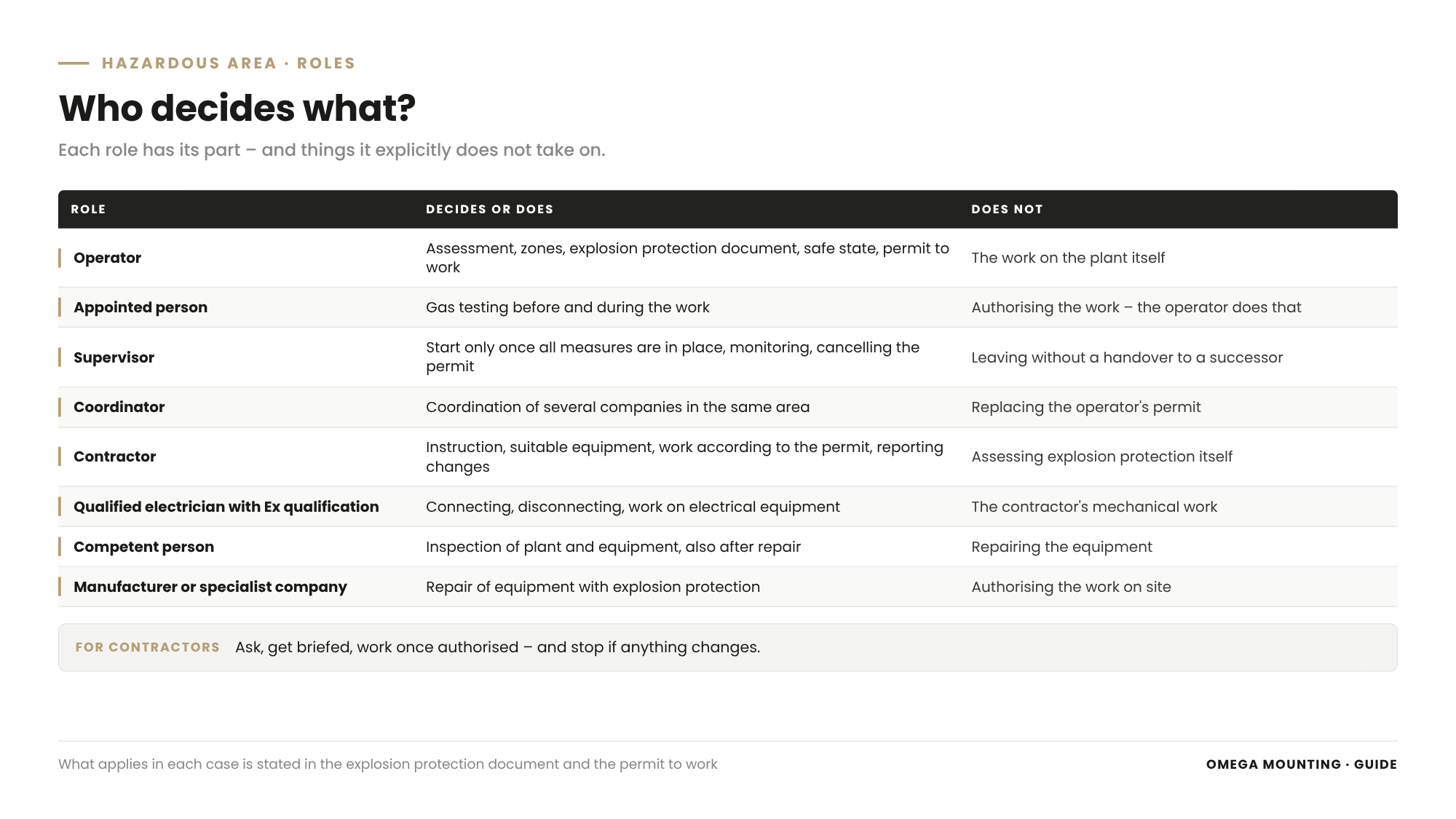
When working in hazardous areas, the operator sets zones, protective measures and the permit, a supervisor oversees the work and cancels the permit at the end, the contractor works to the specifications, qualified electricians with Ex qualification carry out electrical work, and inspections are done by the competent person.
Operator
The operator assesses the explosion risk, draws up the explosion protection document and classifies the zones. The operator decides whether a job in the hazardous area is necessary or whether it can be moved elsewhere. The operator brings the plant into a safe state, has gas testing carried out and issues the permit to work. The operator also regulates how cooperation with contractors works.
Supervisor
The operator names a supervisor for the work. The supervisor knows the work, the hazard and the protective measures, makes sure work only starts when all measures are in place, keeps unauthorised people away and ensures everyone can get out quickly in an emergency. Only the supervisor lifts the protective measures at the end.
Coordinator
If several companies work in the same area, the employers coordinate. The operator often names a coordinator for this, who makes sure that one company does not become the ignition source for another's work. What the operator should regulate in principle is described in our guide on contractor management.
Contractor
The contractor instructs its people, only brings suitable equipment and tools, follows the permit and the site briefing and reports anything that changes. It does not assess explosion protection itself. How it builds its own risk assessment for the job is shown in our guide on RAMS and risk assessment.
Qualified electrician with Ex qualification
Connecting, disconnecting and work on electrical equipment in hazardous areas is for qualified electricians with Ex qualification. This also applies to luminaires, motors, sensors and terminal boxes. We agree with you beforehand who takes this on in the job – nobody without Ex qualification.
Competent person
Plant and equipment in hazardous areas are inspected before commissioning, periodically and after repairs that affect explosion protection. This is done by a competent person, as required by the German Industrial Safety Ordinance (BetrSichV). Who may act as one is explained in our article on the competent person. Equipment with explosion protection is repaired by the manufacturer or a specialist company.
This guide is not legal advice. What applies at your work location follows from the explosion protection document, the risk assessment and the operator's permit.
Before the work: instruction, permit to work, gas testing, tools
Work in a hazardous area is preceded by instruction of the fitters, a site briefing on zones and routes, a permit to work, a safe state of the plant, gas testing, a gas detector and an equipment and tool list checked by the operator. Hot work needs a separate permit.
Can the work be moved outside?
The best measure is not to bring the ignition source into the hazardous area at all. Components that have to be drilled, cut or welded are removed and worked on outside. Assemblies are pre-assembled in the workshop. Bolting replaces welding where technically possible. The less happens in the area, the shorter and safer the permit.
Instruction and site briefing
The contractor instructs its fitters on the hazards of the job. The operator briefs them on site: where are the zones, which routes apply, where are the assembly point and escape route, what does the alarm sound like. Anyone who does not know the area does not enter it alone.
Permit to work
For work in hazardous areas the operator issues a permit to work. It states the location, work, time period, protective measures, measurements, equipment and signatures. How a permit to work is structured in principle is explained in our article on the Permit to Work. The permit only applies to the work described. If the work changes, a new one is needed.
The safe state of the plant
If plant is to be opened, the operator makes it safe beforehand. Depending on the substance, it is shut down, emptied, flushed, ventilated or filled with a non-flammable gas. Lines are separated and secured against refilling. Energy sources are switched off and secured. How isolating and securing work is shown in our guide on Lockout tagout in maintenance.
Gas testing and gas detector
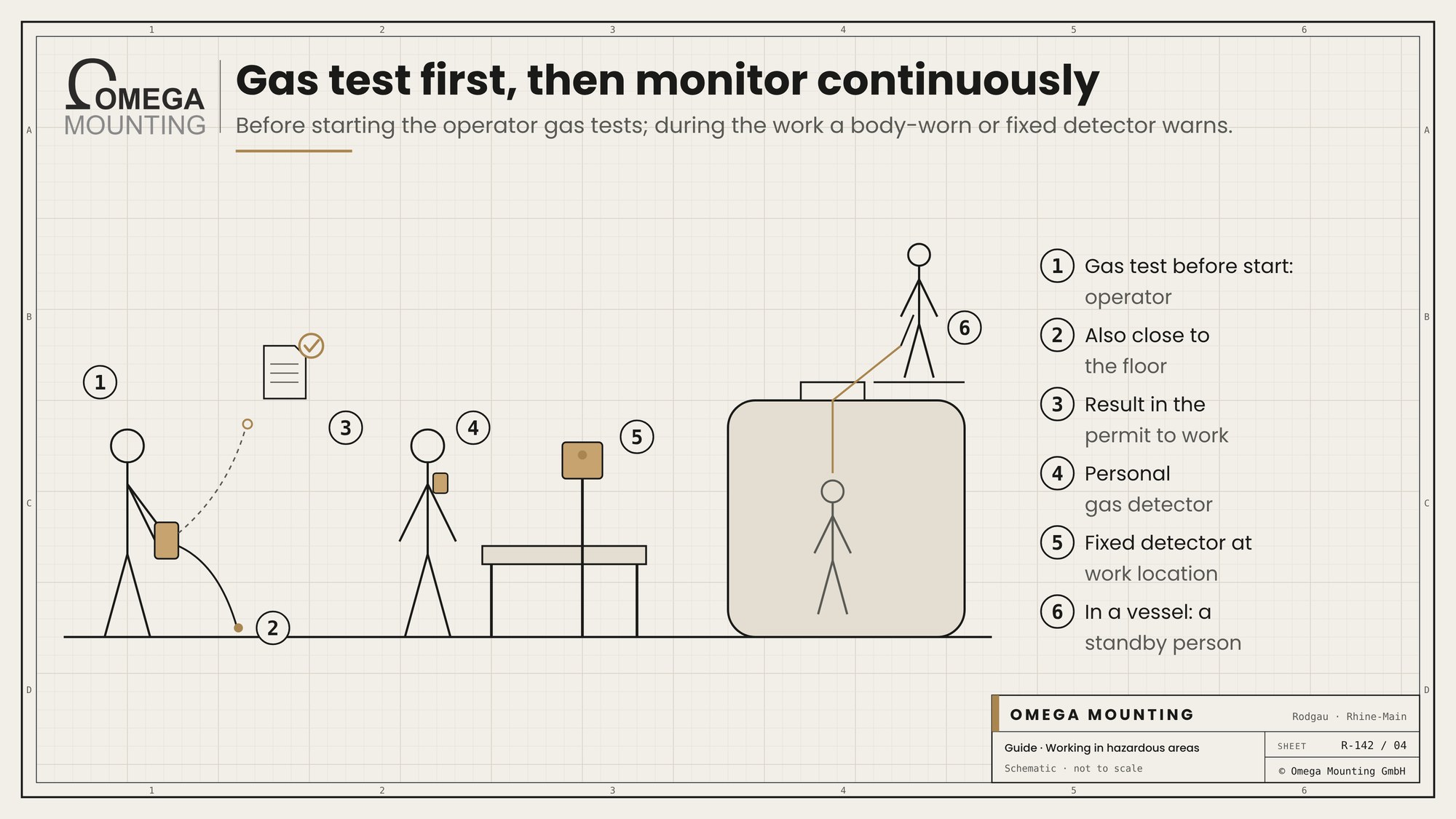
Before work starts, the work location is gas tested. This is done by the operator or a person appointed by the operator. The result is entered in the permit to work. During the work the fitters often wear a personal gas detector, or a fixed detector measures at the work location. In vessels and confined spaces a standby person is added.
Tools and equipment
Electrical equipment in hazardous areas needs a marking that matches the zone. Cordless screwdrivers, hand lamps, phones and measuring devices from the normal trolley are usually not suitable for this. That is why an equipment list goes to the operator in advance. Non-sparking tools made of special materials reduce the risk when striking and loosening, but they are not a free pass. The operator decides whether they are sufficient.
Ignition sources in maintenance
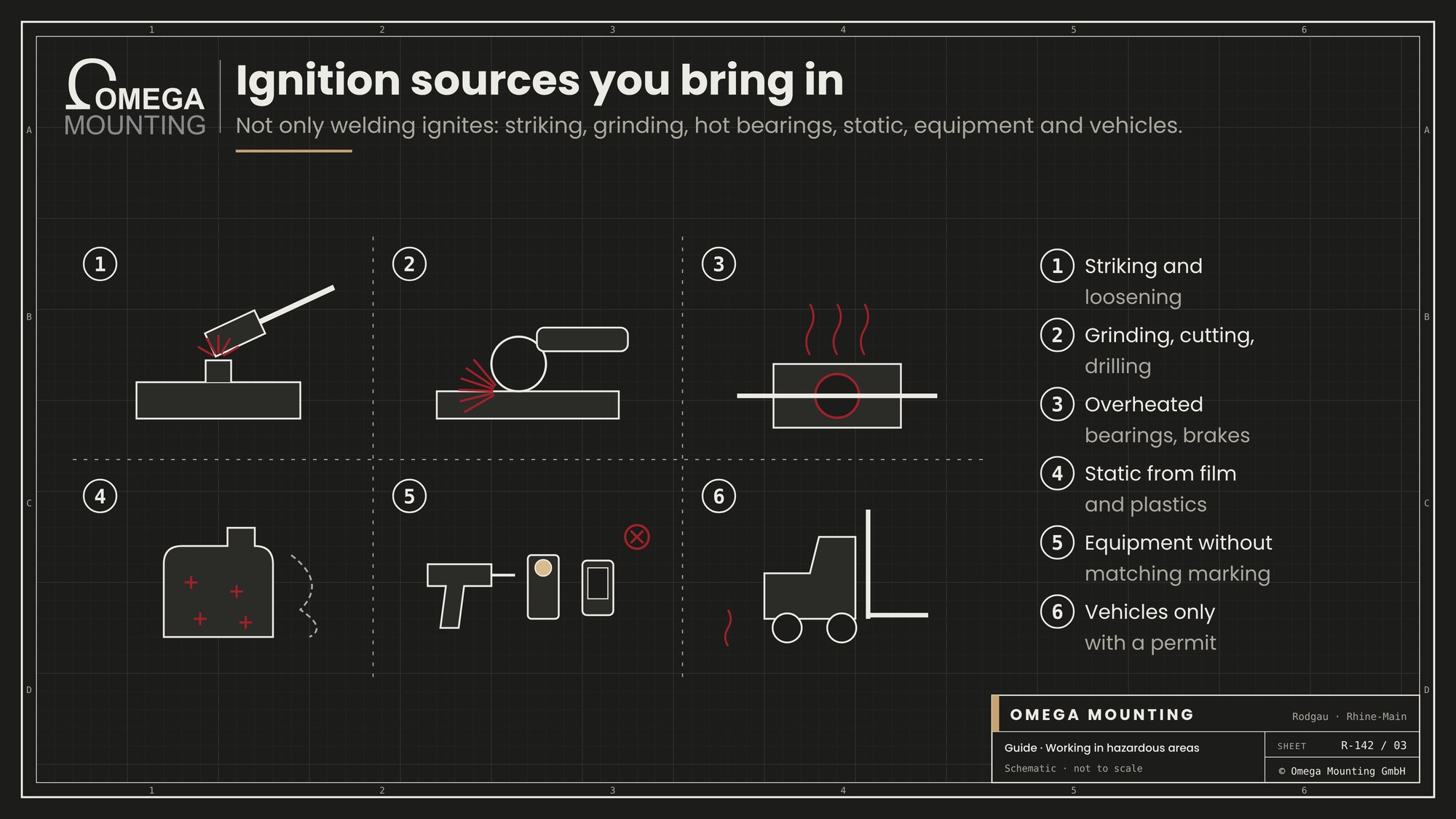
Apart from equipment, it is mainly activities that can cause ignition:
- Striking and loosening. Seized bolts, hammer blows, steel on steel.
- Grinding, cutting, drilling. Sparks and hot chips.
- Friction and hot surfaces. Overheated bearings, brakes, tools.
- Electrostatic charge. Films, plastic containers, unsuitable clothing, flowing liquids.
- Vehicles and lifting equipment. Forklifts, mobile elevating work platforms or cranes without explosion protection only with a separate permit.
Hot work only with a separate permit
Welding, flame cutting and abrasive cutting in hazardous areas are the exception. If they are unavoidable, they need a separate permit, a safe state of the plant, gas testing, covers, a fire watch and a follow-up check. What a hot work permit contains is described in our guide on repair welding on industrial plant.
During the work: monitoring and stop criteria
During work in a hazardous area, monitoring checks whether the conditions of the permit still apply. If the gas detector alarms, something changes in the plant or its surroundings, the ventilation fails or an alarm sounds, the work is interrupted immediately and the area is left.
Monitor, not just measure
The measurement before starting is a snapshot. During the work the situation can change: a valve does not close tightly, residues in the vessel evaporate, decanting takes place next door. That is why measuring and observing continue. The supervisor keeps in contact with the team.
Stop criteria
Before starting, it is agreed when work will be stopped. Typical reasons are:
- The gas detector alarms. Stop work, leave the area, report.
- Odour or leak. An unusual odour or a visible leak of liquid or dust.
- The plant changes. A line is filled, a pump starts, a valve is moved.
- The ventilation fails. Or the extraction at the work location stops.
- Alarm in the plant. Site alarm, fire alarm or evacuation.
- Sparks occur unexpectedly. For example when loosening a seized part.
- Supervision is missing. The supervisor has to leave and nobody takes over.
Stopping is never a mistake
Anyone who stops the work out of concern for safety has done the right thing – even if the concern later turns out to be unfounded. Every fitter must know this beforehand. After a stop, work does not simply carry on. The operator clarifies the cause, measures again and decides whether the permit still applies.
Breaks and shift changes
If the work is interrupted, the work location is left so that nothing can ignite: tools put down, openings covered, equipment out of the area. After the break, measurements are repeated as specified. At a shift change the supervisor hands over the status to the successor. The new team is briefed before it starts.
After the work: handing back the permit
After work in a hazardous area, the work location is cleared, the plant restored and checked, and only then does the supervisor lift the protective measures. The handback is documented in the permit to work.
Clearing up and tool reconciliation
Tools, equipment, material and waste leave the area. The tool list is reconciled. A tool forgotten in the plant can later cause sparks or damage a seal.
Restoring the plant
Housings, covers and flanges are closed, seals replaced, earthing and equipotential bonding restored. Earthing on electrical equipment is restored by the qualified electrician. Covers and partitions are removed.
Checking the safe state
Before the plant is refilled, the operator checks that it is tight and everything is back in place. Depending on the plant, a leak test is part of this. If the work affects explosion protection, the competent person inspects before recommissioning. Which inspections an operator has to organise in principle is shown in our guide on the inspection obligations for operators.
Cancelling the permit
Only when everything is right does the supervisor lift the protective measures and return the plant to operation. This is documented, usually directly on the permit to work. The contractor signs off.
Documentation
The contractor documents what it has done: work steps, replaced parts, findings and deviations. The operator adds this to its records. If anything in the explosion protection has been changed, the explosion protection document is updated – that is the operator's responsibility.
Working in hazardous areas step by step
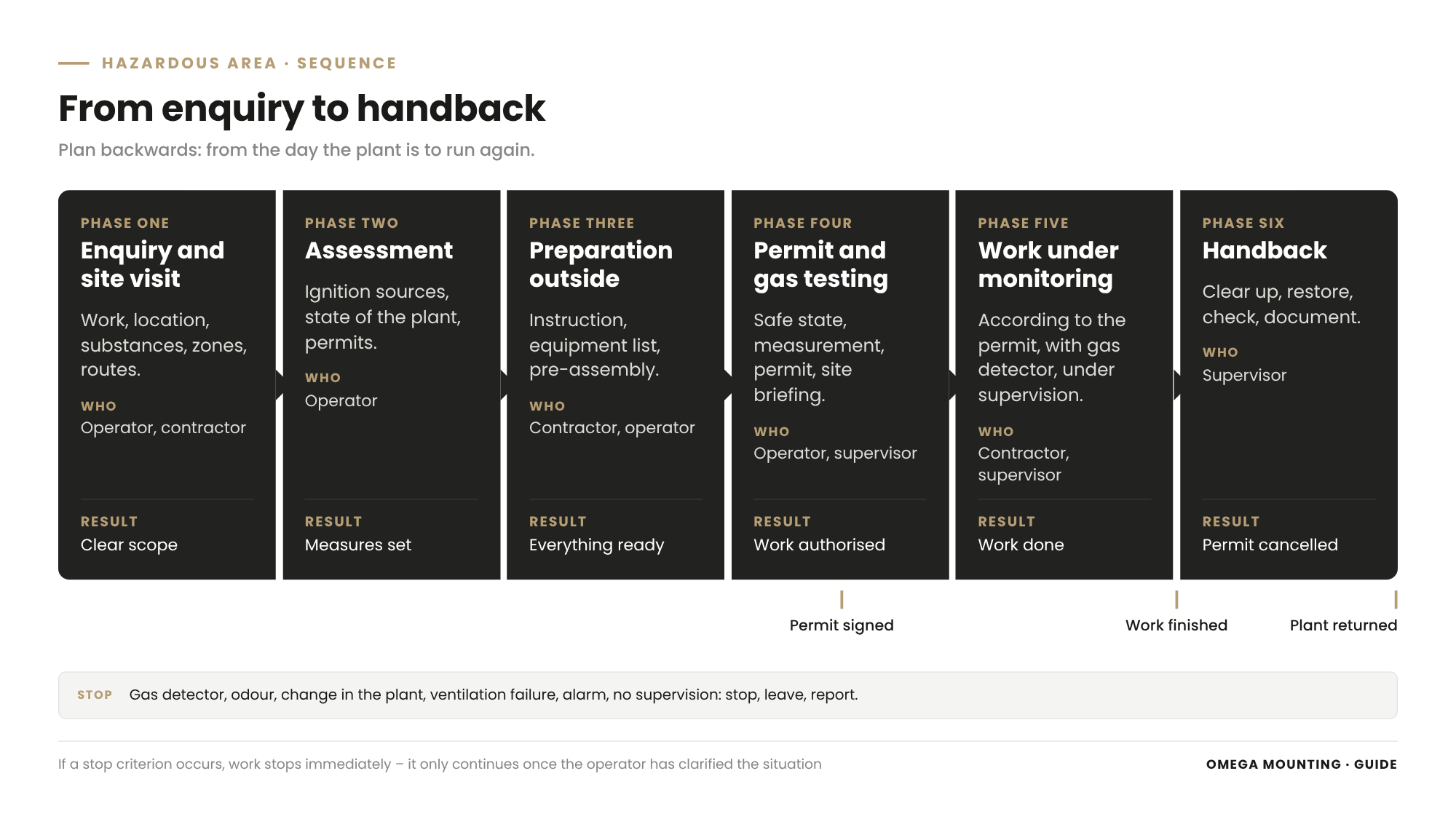
Work in a hazardous area runs in six phases: enquiry and site visit, assessment by the operator, preparation outside, permit and gas testing, work under monitoring, handback.
Enquiry and site visit
Describe the work, the location and the substances in the plant. During a site visit the operator shows zones, routes, connections and possible sources of danger. The contractor says which tools and activities it needs.
Assessment by the operator
The operator assesses which ignition sources the work brings and how they are avoided. The operator decides whether the work has to take place in the area, what state of the plant is needed and which permits are required.
Preparation outside
The contractor instructs its team, puts together equipment and tools according to the list and prepares components outside. The operator prepares isolation, emptying and measurement.
Permit and gas testing
On the day, the plant is brought into a safe state, gas tested and the permit to work signed. The fitters are briefed on site.
Work under monitoring
Work is carried out according to the permit, with a gas detector and under supervision. If a stop criterion occurs, work is interrupted immediately.
Handback
Clearing up, restoring the plant, check by the operator, cancellation of the permit by the supervisor, documentation.
Plan in lead time
Permits, measurements and emptying a plant take time. If you request a job in a hazardous area the day before, you will often find on the day that the plant is not yet safe. Plan backwards: from the day the plant is to run again to the first site visit.
At a glance: work, risk, measure and who is responsible
Every activity when working in hazardous areas brings its own ignition risk – the table shows what helps against it and who is responsible.
| Work | Risk | Action | Who |
|---|---|---|---|
| Opening a line or vessel | Release of flammable substances | Empty, flush, ventilate, separate, gas test | Operator |
| Loosening bolts, striking | Sparks from impact and friction | Approved tools, gas testing, monitoring | Contractor as specified by the operator |
| Drilling, grinding, cutting | Sparks, hot chips | Remove the component and work on it outside | Contractor, operator approves |
| Welding, flame cutting | Open flame, hot surfaces | Separate permit, safe state, fire watch | Operator issues, contractor carries out |
| Using electrical equipment | Ignition from unsuitable equipment | Only equipment with matching marking according to the list | Contractor, operator checks list |
| Connecting electrical equipment | Ignition, loss of explosion protection | Only by a qualified electrician with Ex qualification | Qualified electrician |
| Removing dust | Dust stirred up | Pick up as specified, do not blow, do not sweep | Contractor as specified |
| Using vehicles and lifting equipment | Ignition from engine and electrics | Only with a separate permit | Operator |
| Interrupting work | Unclear state after the break | Secure the work location, measure again as specified | Supervisor |
| Finishing work | Plant goes into operation with a leak | Check, inspection, cancellation of the permit | Operator, competent person |
Typical mistakes when working in hazardous areas
The typical mistakes when working in hazardous areas are tools and equipment from the normal trolley, work that could have been moved outside, a permit to work that does not match the work, missing stop criteria and a handback without a check.
- The normal trolley. Cordless screwdriver, hand lamp and phone come along because nobody asked for a list beforehand.
- Adapted on site. A bracket is shortened in the area instead of being worked on in the workshop beforehand.
- Permit does not match. The work changes along the way, the permit stays the same.
- Measured once. After the break, work continues without measuring again.
- Dust blown away. A beam is “cleaned” with compressed air.
- Electrics on the side. A fitter disconnects a sensor because he happens to be there.
- No stop criteria. Nobody knows when to stop.
- Handback forgotten. The team leaves and the permit is never cancelled.
The mistake behind the mistakes
Many mistakes share the assumption that explosion protection is the plant's business and the contractor only has to do its work. In fact, when working in a hazardous area, the contractor is the most likely ignition source. If you take that seriously, you plan every activity from the tools to the handback.
What we know from security areas
We have not yet documented a job in a hazardous area. What we know are jobs in which permits, preparation before the window, vetting of the fitters and protection against flying sparks determined the sequence. Three examples from our project diary show this related experience.
Nuclear facility: flying sparks as a topic of its own
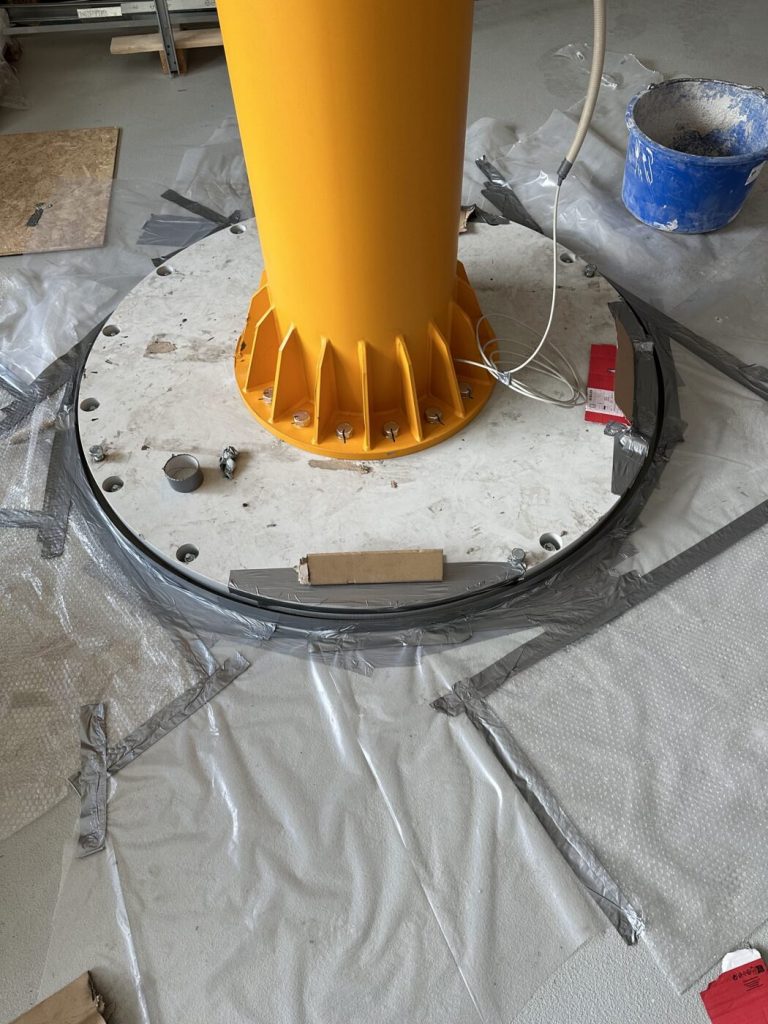
With the workshop fit-out with pillar jib cranes in a nuclear facility, every fitter was individually vetted before entering. Floors and routes were covered, as were existing cranes and plant components. Drilling dust was extracted directly at the machine. Welding used a low-spatter process, and flying sparks and fire protection were treated and secured as a topic of their own.
For working in hazardous areas this means: sparks and dust are planned before they occur.
Frankfurt Airport: preparation before the window
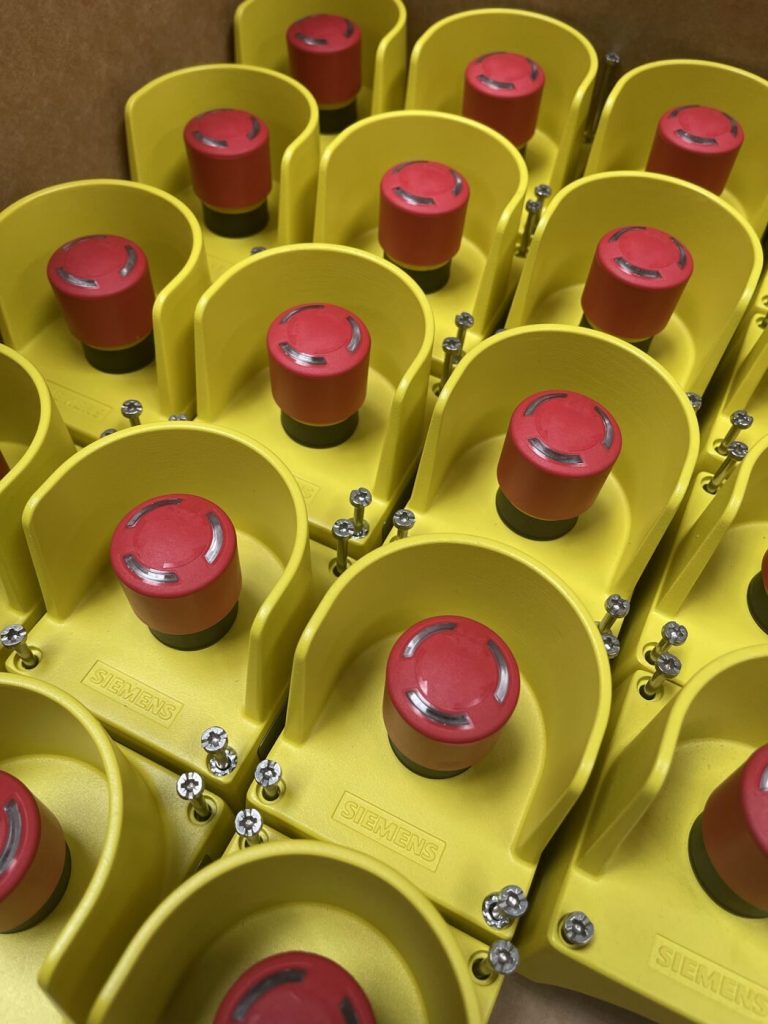
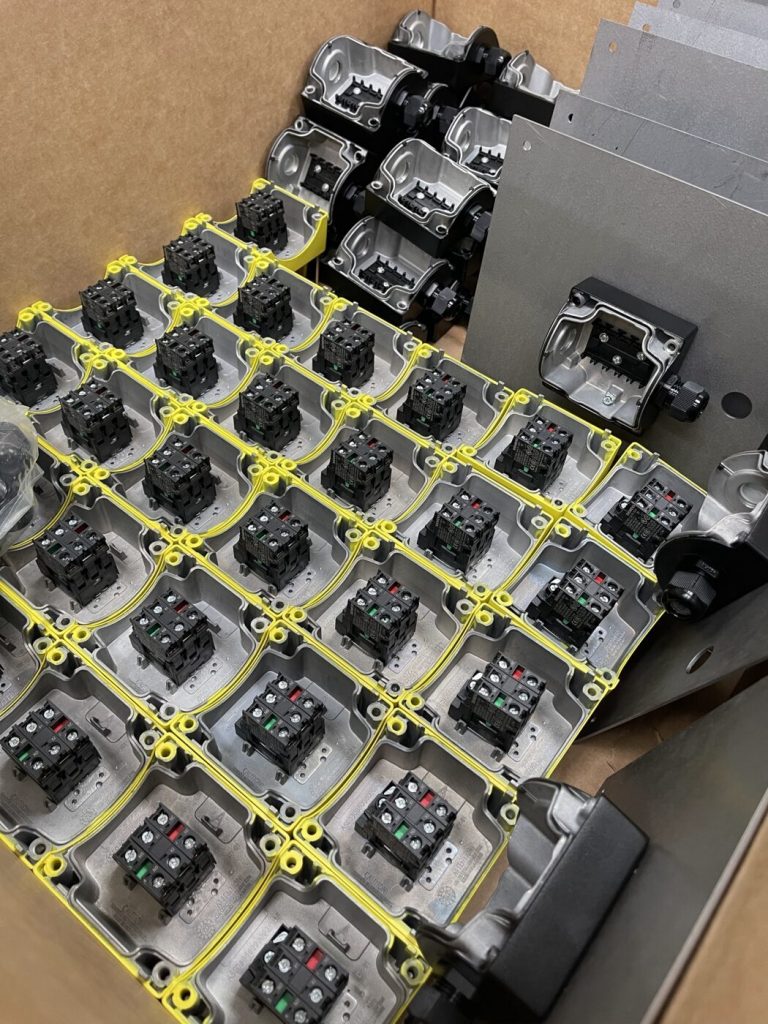
With the retrofit of emergency stop buttons on a sorting system at Frankfurt Airport our fitters had the required background checks and training and knew the access procedures. Mounting plates and housings were pre-assembled before each window, and material and tools were ready. Work took place during the downtimes of the running system. The system only went back into operation once everything was installed, connected and tested.
For working in hazardous areas this means: whatever is finished beforehand no longer has to be worked on in the permitted window.
Plant room: standby generator with its own rules
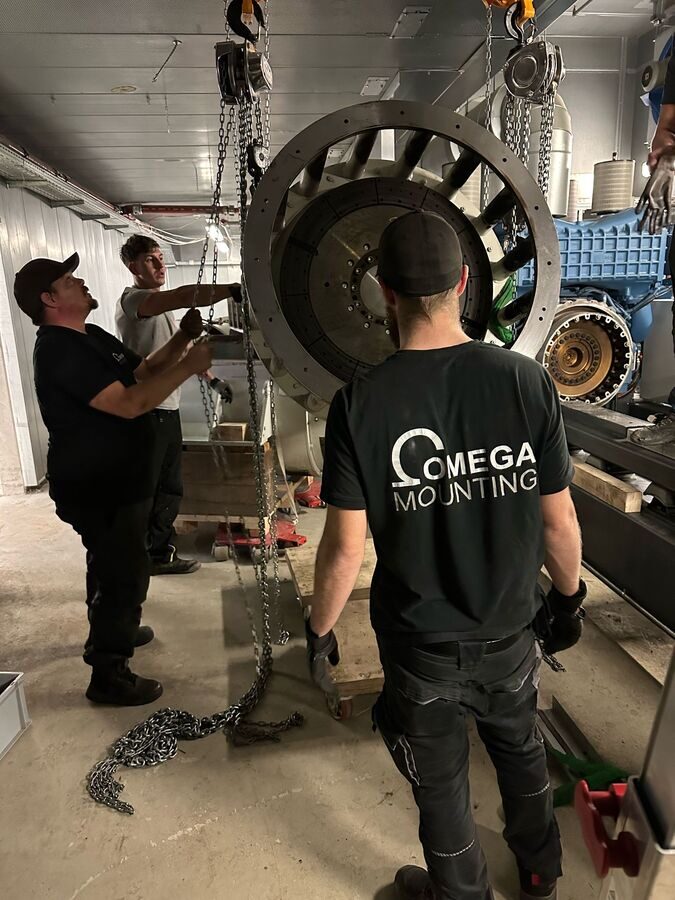
With the maintenance of a standby power system we worked in a plant room. Before starting, the enclosure was cleared and the transport frames were made to measure on site. Every movement was agreed with the crane operator. The overhaul of the set was carried out by the manufacturer's service team, and we did the mechanical part.
For working in hazardous areas this means: every trade does its part, and the interfaces are settled beforehand.
Questions about work in a sensitive area?
Is mechanical repair or installation due in an area with special permits? Then get in touch with us. We say openly what we bring and what your plant has to set.
Working in hazardous areas in the Rhine-Main region: what we take on
In the Rhine-Main region, when work takes place in hazardous areas, we take on the mechanical part once you have issued the permit: removing components and working on them outside, pre-assembling and replacing assemblies, repairing bearings, drives and brackets, planning and carrying out lifting operations.
The region has chemical and industrial parks, tank farms, paint shops and many companies with their own hazardous areas. From Rodgau, Frankfurt, Offenbach, Hanau, Darmstadt and Aschaffenburg are short trips. What we do in Maintenance and servicing overall is set out on our service page.
For a job in a hazardous area we prepare as this guide describes: equipment and tool list in advance, work moved out of the area wherever possible, stop criteria discussed with the team, handback as a fixed step.
We say clearly in advance what we do not take on. Explosion protection is assessed by the operator. Gas testing, permits to work and cancelling the permit lie with the operator and its supervisor. Electrical work in hazardous areas is done by qualified electricians with Ex qualification, inspections by the competent person. If you want to know what we can prepare for your plant, write to us.
What this means for your role
For operations and plant managers: First check whether the work has to take place in the hazardous area at all. Name a supervisor for every job.
For occupational safety specialists: Ask the contractor for an equipment list and its own risk assessment. Set stop criteria in writing.
For contractor coordinators: Agree which companies work in the area at the same time. One company must not become the ignition source for another.
For maintenance managers: Plan emptying, flushing and gas testing into the schedule. Keep spare parts ready so that the permit does not lapse while a part is missing.
For buyers: Clarify in the contract who measures, who issues the permit, who takes on the electrical work and who inspects.
For project managers and site managers: As project manager, you coordinate lead time and interfaces. As site manager, on the day you make sure that only listed tools enter the area.
For management: Give the team the time to stop a job without pressure. A stop costs hours; an ignition costs more.
Ex work permit check: template on request
The Ex work permit check is a one-page working document for the operator, supervisor and contractor. It has four blocks: preparation, permit, execution and handback. Each point has a field for the responsible party and the status “clarified” or “open”. Zones, limit values and figures are deliberately left blank – they come from the operator. Request the template via our contact form using the keyword “Ex work permit check”.
Conclusion
Work in hazardous areas is safe when all three ingredients of an explosion are under control – and the ignition source is what the contractor brings in. The operator sets zones and the permit, makes the plant safe and carries out gas testing. The contractor moves out whatever can be moved, only brings suitable equipment and works under monitoring. If a stop criterion occurs, work stops. At the end the supervisor cancels the permit, and electrical work stays with the qualified electrician with Ex qualification. If you are preparing mechanical work in a hazardous area, send us your enquiry – we will get back to you with an honest assessment.
Planning a move-in, installation or maintenance in the Rhine-Main region?
Tell us briefly what you need – we'll come back with an honest assessment.
Free, no-obligation callback
You may also be interested in these guides

About the author
Tobias Schott
Managing director of Omega Mounting GmbH, Rodgau · more than 20 years of hands-on experience in installation and maintenance
A trained mechatronics technician, working in maintenance, servicing and industrial installation since 2004 – first alongside his father, and with Omega Mounting since 2012: from overhead conveyors in Frankfurt to the crane system in a new-build hall. He plans and leads lifting operations as an appointed person (AP) in data centers and on industrial sites in the Rhine-Main region, trains and examines operators of cranes, mobile elevating work platforms and telehandlers, and is a qualified occupational safety specialist. On jobs abroad he is known as the “German Troubleshooter” – the person you call when a site gets stuck. He learned what quality means from his father, not from a manual: Made in Germany as a standard for his own work, not a label. That is why quality comes first at Omega Mounting – ahead of speed and price. He writes these guides from that practice: what works on our sites is in them – what exists only on paper is not.
Frequently asked questions
Above all: bring no ignition source and only work with a permit. The operator sets zones, makes the plant safe, carries out gas testing and issues the permit to work. The contractor only uses suitable equipment, moves spark-producing work outside and stops if the gas detector alarms. At the end the supervisor cancels the permit.
An area in which flammable gases, vapours, mists or dusts can mix with air so that an ignition source triggers an explosion. Where this is the case is assessed by the operator.
The operator. The operator assesses the explosion risk, classifies the areas into zones and records this in the explosion protection document. The contractor does not assess the zones itself.
Before work starts, a measurement checks whether an explosive atmosphere is present at the work location. This is done by the operator or a person appointed by the operator. The result is entered in the permit to work.
Electrical equipment only with a marking that matches the zone. Non-sparking tools reduce the risk when striking and loosening, but they are not a free pass. The operator decides which equipment and tools are permitted.
Only as an exception and with a separate permit. Beforehand the plant is made safe and gas tested, and covers, a fire watch and a follow-up check are added. It is often better to remove the component and work on it outside.
When the gas detector alarms, an odour or leak is noticed, something changes in the plant, the ventilation fails, an alarm sounds or supervision is missing. The operator then clarifies whether work may continue.
Qualified electricians with Ex qualification. This applies to connecting, disconnecting and work on electrical equipment. Inspections are carried out by the competent person.
Send us a short enquiry with three details: which mechanical work is due, where the plant is and which rules your company sets for the area. Photos and your permit-to-work procedure help. We clarify with you what we can prepare and what your company has to set. Your contact is Tobias Schott – reachable via our contact form.
 English
 German